Notting Hill upholstery cleaning for Portobello Road homes
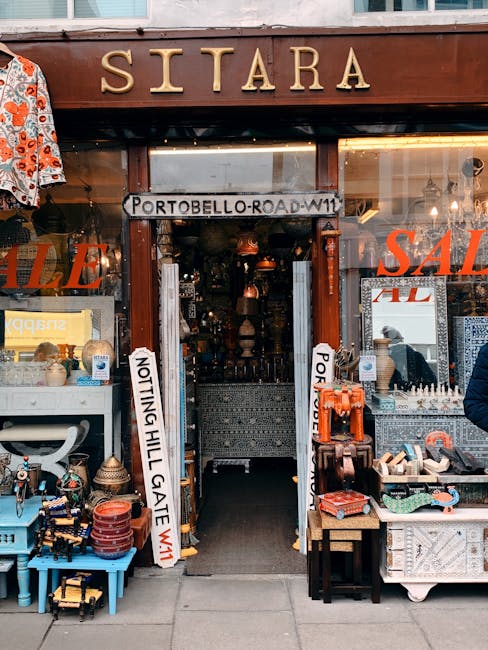
Portobello Road homes have a certain energy about them: beautiful period details, busy family living, compact spaces, and furniture that gets used properly, every day. That last part matters. Sofas, armchairs, dining chairs and footstools all collect dust, spills, pet hair, city grime and the kind of everyday marks that creep in quietly and then suddenly look impossible to ignore. If you are looking into Notting Hill upholstery cleaning for Portobello Road homes, you are probably not after a vague promise. You want something practical, careful and effective.
This guide walks through how upholstery cleaning works, what to expect, which methods suit different fabrics, and how to get better results without risking shrinkage, watermarking or colour loss. It is written for real homes, not showroom perfection. Let's face it, life in London happens on the sofa.
Why Notting Hill upholstery cleaning for Portobello Road homes Matters
Upholstery is one of those things you stop noticing until it changes the feel of the room. A sofa that used to look light and fresh can start to look dull after a few months of morning coffee, rain-soaked coats by the door, takeaway dinners, or a dog who insists on the best seat in the house. In Portobello Road homes, that mix is common. Many properties are lived in hard, beautifully so, but that means fabrics take a beating.
There is also the local housing reality. Notting Hill homes range from elegant period terraces and converted flats to busy rental properties and family homes with tight stair access. That matters because fabric care is not only about cleaning power; it is about safe handling, drying time, and doing the job without causing unnecessary disruption. A rushed clean can leave behind odours, sticky residue or patchy marks. Nobody wants that.
Clean upholstery also supports the rest of your home care routine. If your soft furnishings are neglected, dust and allergens build up more quickly and can spread to curtains, rugs and carpets. If you already keep on top of professional carpet cleaning or a broader deep cleaning service, upholstery becomes the missing piece that makes everything feel genuinely refreshed rather than half-done.
And yes, it is partly about appearance. But more often, it is about comfort. A freshly cleaned armchair feels different. Smells different too. Cleaner, lighter, more like home.
How Notting Hill upholstery cleaning for Portobello Road homes Works
Good upholstery cleaning starts with identification, not scrubbing. The fabric type, cushion construction, dye stability and stain history all affect the method used. What works perfectly on a synthetic sofa may be too aggressive for delicate linen, velvet or mixed-fibre pieces. That is why a proper service usually begins with inspection and testing.
In plain English, the process often looks like this:
- Assessment: The technician checks fabric type, seams, labels, stains and wear patterns.
- Dry soil removal: Loose dust, crumbs, pet hair and grit are lifted out first. This stops grime from being pushed deeper in later.
- Spot treatment: Problem areas are treated with suitable solutions, not one-size-fits-all chemicals.
- Main cleaning: Depending on the fabric, this may involve low-moisture cleaning, hot-water extraction, foam cleaning or specialised hand cleaning.
- Rinsing or residue control: The aim is to remove cleaning agents so the fabric does not re-soil quickly.
- Drying and grooming: Fibres are reset, airflow is encouraged and the piece is left to dry properly.
The key point is this: the best method is the one that suits the upholstery, not the one that looks impressive in a brochure. A velvet loveseat in a sunlit Notting Hill flat needs a different touch from a family sofa with a synthetic weave and three years of daily use.
For homes that need more than one fabric cleaned, it can help to book upholstery alongside rug cleaning or even a broader one-off cleaning visit. That way the rooms feel coordinated rather than cleaned in isolated patches.
Key Benefits and Practical Advantages
There are the obvious benefits, and then there are the ones people notice a week later. The obvious ones are visual: brighter fabric, fewer marks, a fresher look. The less obvious ones matter just as much.
- Better everyday comfort: Clean upholstery feels softer, less tired and more pleasant to sit on.
- Reduced lingering odours: Spills, cooking smells and pet odours can settle into fabric over time.
- Improved fabric care: Regular cleaning helps slow down the build-up of abrasive dust and grit.
- Better first impressions: Important for landlords, hosts, sellers and anyone who has visitors coming round.
- More practical maintenance: It is easier to keep a sofa in good shape than to try to rescue one that has been ignored for years. Truth be told, that is where people get caught out.
There is also a lifestyle benefit that gets overlooked. If you have a home office, a nursery, or a living room that doubles as family headquarters, your furniture carries a lot of load. Cleaning it properly makes the whole space feel calmer. Not sterile. Just calmer.
For rented homes, upholstery care can also support move-out presentation. Many tenants pair it with end of tenancy cleaning when they want the property to look properly looked after, not merely tidied.
Who This Is For and When It Makes Sense
This service is not just for visibly stained sofas. In fact, some of the best time to clean upholstery is before it looks bad. That sounds slightly smug, but it is true. Prevention costs less than rescue work, and rescue work can be unpredictable.
You will usually benefit most from upholstery cleaning if you are in one of these situations:
- You have a sofa, chaise, armchair or dining chairs that look dull or patchy.
- There are food spills, drink marks, pet odours or hand marks on the fabric.
- You are moving in or out and want the room to feel properly reset.
- You have recently renovated and fine dust has settled into soft furnishings.
- You live in a busy household with children, pets or regular guests.
- You are preparing a property for sale or letting and want stronger presentation.
It also makes sense after seasonal changes. Winter in London brings damp coats, closed windows and more indoor living. By spring, upholstery can hold on to stale air and dust more than people realise. A light clean at the right moment often does more than a heroic clean when things are already grim.
If your home has been affected by decorating work, combine upholstery care with after builders cleaning so dust does not simply settle back onto freshly cleaned fabric. Small detail, big difference.
Step-by-Step Guidance
If you want to understand the process properly, it helps to break it down in order. A good cleaner will adapt, of course, but this is the general shape of a reliable job.
- Identify the fabric. Check for care labels where possible. Some items are marked for water-based cleaning, solvent-based cleaning, or specialist treatment only.
- Test a hidden area. This is a basic safeguard. If dye transfers or the texture changes, the method needs adjusting.
- Vacuum thoroughly. Get into seams, under cushions and along piping. Dust is sneaky. It hides in all the annoying places.
- Treat stains individually. Coffee, wine, ink and grease all behave differently. A sensible cleaner does not pretend otherwise.
- Clean the full piece evenly. Spot-cleaning alone can leave tide marks or uneven brightness.
- Control moisture. Too much water is a common problem. It can lead to long drying times, odours or fabric distortion.
- Speed up drying safely. Airflow matters. Open windows where practical, keep cushions spaced apart, and avoid sitting on the item too soon.
A quick reality check: not every stain can be removed completely. Older dye transfer, heat-set marks and some oil-based stains may improve dramatically but not vanish. A professional will usually say so up front. That honesty is worth more than an overconfident promise.
Expert Tips for Better Results
Here are the things that make a noticeable difference in real homes, especially on busy Portobello Road properties where furniture often has to perform and look good at the same time.
- Clean before the fabric looks tired. Maintenance cleaning is gentler than crisis cleaning.
- Deal with spills quickly. Blot, don't rub. Rubbing can push the stain deeper and rough up the fibres.
- Use the right setting on your vacuum. A soft brush attachment is usually safer than a stiff head on delicate fabric.
- Rotate cushions. If one seat gets all the wear, it will show faster.
- Watch for sun fade. South-facing rooms in Notting Hill can make one side of a sofa age faster than the other. Slightly uneven, but there it is.
- Ask about drying expectations. Drying time should be discussed clearly, not guessed at.
If you want a broader reset, pairing upholstery work with domestic cleaning can be a smart move. Clean surfaces, cleaner fabrics, less dust bouncing around afterwards. It all connects.
One more thing: if a cleaner seems oddly vague about methods, fabric suitability or drying, pause. Good service usually sounds calm and specific, not magical.
Common Mistakes to Avoid
Most upholstery damage comes from impatience. People understandably want results now, but fabric rarely rewards a heavy hand.
- Using too much water: This is probably the most common issue. Wet doesn't always mean clean.
- Scrubbing stains aggressively: That can spread the stain and flatten the pile.
- Skipping testing: A hidden patch test is boring, yes, but essential on delicate or dyed fabrics.
- Mixing products randomly: Different chemicals can react badly together or leave residue.
- Ignoring labels: Manufacturer care instructions are not decorative.
- Putting cushions back too early: Damp fabric trapped against damp foam is a recipe for odour.
Another easy mistake is assuming all upholstery can be treated the same way. It cannot. Velvet, linen blends, synthetic weaves, leather-look fabrics and microfibre all need different handling. This is where experience matters more than enthusiasm. Sadly, enthusiasm alone doesn't remove a red wine stain.
Tools, Resources and Recommendations
You do not need a van full of kit to understand what quality upholstery cleaning involves. But it helps to know what a competent technician may use and why.
| Method | Best for | Strengths | Watch-outs |
|---|---|---|---|
| Vacuum pre-clean | Most fabrics | Removes loose soil and pet hair | Needs careful nozzle choice on delicate fabric |
| Low-moisture cleaning | Sensitive fabrics and quick-dry needs | Shorter drying time, lower saturation | May not suit very deep soiling |
| Hot-water extraction | Robust synthetic upholstery | Strong soil removal and deep cleaning | Too much moisture can be a problem if misused |
| Foam or controlled cleaning | Mixed or delicate fabrics | Helpful balance of cleaning and moisture control | Requires even application |
| Hand detailing | Edges, piping, ornamental pieces | More precise on awkward areas | Slower, so it is not always the main method |
If you want to compare upholstery care with other soft-furnishing services, rug cleaning is a useful reference point because the principles are similar: fibre identification, moisture control and stain judgement. Not identical, but close enough to be helpful.
For household routines, a good vacuum with upholstery attachments, clean microfibre cloths and gentle fabric-safe spot treatment can help between professional visits. Nothing fancy. Just sensible upkeep.
Law, Compliance, Standards and Best Practice
Upholstery cleaning is not heavily regulated in the way some trades are, but there are still important standards of care that reputable providers should follow. In the UK, best practice usually means working safely, using suitable chemicals correctly, and treating customer property responsibly.
For homeowners and tenants, that translates into a few practical expectations:
- Clear explanations: You should know what method is being used and why.
- Reasonable caution with fabrics: Test first where appropriate, especially on delicate or valuable items.
- Safe handling of products: Cleaning solutions should be used in line with manufacturer guidance and general health and safety practice.
- Respect for property: Care around floors, walls, stairwells and adjacent furnishings matters, especially in tight Notting Hill entrances.
- Insurance awareness: A proper service should be able to explain how it handles safety and liability concerns in broad terms.
It is also sensible to look for clear customer-facing policies on matters like payment security, complaints handling and safety. Those things sound administrative, but they are part of trust. You can review payment and security information, insurance and safety details, and the company's complaints procedure if you want a better feel for how professionally it operates.
If sustainability matters to you, it is worth asking how waste water, packaging and product use are managed. A sensible provider should be able to talk about practical choices without making grand claims. The same goes for recycling and sustainability practices.
Options, Methods, or Comparison Table
Different upholstery situations call for different approaches. The right choice depends on fabric, staining, drying needs and how much disruption you can tolerate. Here is a simple comparison that helps when you are deciding what to book.
| Option | When it fits | Pros | Trade-off |
|---|---|---|---|
| Spot treatment only | A single fresh stain on otherwise clean furniture | Fast and targeted | Can leave visible edges or uneven colour if overused |
| Full-piece upholstery cleaning | General soiling, odour, traffic marks, older residue | More even and complete finish | Takes longer and needs proper drying |
| Upholstery plus carpets | Whole-room refresh before guests, sale or tenancy change | Consistent look and feel throughout the room | More planning, but often worth it |
| Upholstery as part of a deep clean | Busy homes that need a full reset | Covers dust, soft furnishings and high-touch areas together | Usually the most involved option |
In many Portobello Road homes, the smartest answer is not the cheapest one and not the most dramatic one either. It is the one that leaves the room cleaner, drier and easier to live in the same day.
Case Study or Real-World Example
Here is a realistic example from the sort of job that comes up often in Notting Hill: a compact two-bedroom flat off Portobello Road with a cream fabric sofa, two dining chairs and a small rug in the living room. The owners had done a decent job keeping on top of daily cleaning, but the sofa arms had darkened, one seat cushion had a coffee mark, and there was a faint cooking smell from winter months of closed windows and shared meals.
The cleaner started with inspection and a fabric test, then vacuumed the whole suite carefully, including the seams and under the cushions. The coffee mark was treated separately, while the arms and seat fronts were cleaned evenly to avoid patchiness. The dining chairs were handled with less moisture than the sofa because their fabric looked more delicate. The result was not "new", because that would be nonsense, but it did look brighter, more balanced and much fresher. By the next morning, the room had that clean, breathable feel again. You know it when you walk in.
The homeowners had originally only planned to clean the sofa. In the end, doing the chairs too made the room feel finished. That is a common outcome. One item cleaned in isolation can look slightly out of place; a coordinated clean makes the whole space feel considered.
Practical Checklist
Use this before booking or before a technician arrives. It saves time and avoids awkward surprises.
- Check the furniture label or care instructions if available.
- Note any recent spills, stains or odours.
- Move small items, cushions and ornaments off nearby surfaces.
- Identify access issues such as narrow staircases or awkward parking.
- Ask how long the fabric is likely to take to dry.
- Confirm whether the method is suitable for delicate or mixed fabrics.
- Ask what happens if a stain does not fully respond.
- Plan a window for drying so the furniture is not needed immediately.
- Consider pairing the booking with window cleaning or hard floor cleaning if the whole room needs a reset.
- Keep pets and children away from damp upholstery until it is dry.
Small preparation, better result. It really is that straightforward.
Get a free quote today and see how much you can save.
Conclusion
Notting Hill upholstery cleaning for Portobello Road homes is ultimately about preserving the feel of a room as much as the look of it. In a busy London home, soft furnishings absorb daily life: dust, hands, food, pets, weather and all the little things that never make it into the sales brochure. When upholstery is cleaned with the right method, the room feels lighter, more comfortable and easier to maintain.
If you remember only one thing, let it be this: the best upholstery cleaning is careful, fabric-aware and properly dried. Not rushed. Not over-wet. Not guessed at. Whether you are preparing for guests, resetting after a renovation, or simply tired of looking at dull sofa arms every evening, a thoughtful clean can make a surprisingly big difference.
And sometimes that is enough. A cleaner room, a softer seat, a calmer evening. Simple, but lovely.
Frequently Asked Questions
How often should upholstery be professionally cleaned in Portobello Road homes?
For most homes, a professional clean every 12 to 24 months is a sensible starting point, though busy households with pets, children or frequent guests may need it sooner. The real clue is condition rather than the calendar.
Can upholstery cleaning remove old stains?
Sometimes yes, sometimes partly, and sometimes not completely. Older stains that have set into the fibres are harder to remove, especially if they have been heat-dried or treated with the wrong product before. A careful technician should explain likely outcomes honestly.
Is upholstery cleaning safe for delicate fabrics like velvet or linen?
It can be, but only when the method is matched to the fabric. Delicate upholstery usually needs lower moisture, careful testing and slower handling. That is why fabric identification matters so much at the start.
How long does upholstery take to dry?
Drying time depends on the fabric, method used, room ventilation and how much moisture was required. Some pieces dry fairly quickly; others need longer. Good airflow helps, but avoid sitting on the furniture too soon.
Will upholstery cleaning remove pet odours?
It often reduces them significantly, especially when the odour is from surface contamination or general build-up. Deeper odours can be more complicated, especially if they have soaked into padding or backing materials.
Should I clean the whole sofa or just the stained parts?
Usually the whole piece. Spot cleaning alone can create a patchy finish or visible cleaning edges. Full-piece cleaning tends to look more natural and avoids one section standing out against the rest.
Do I need to vacuum before the cleaner arrives?
It helps if you can, but it is not always essential. A professional cleaner will usually carry out a thorough pre-vacuum as part of the service. If you do vacuum first, it just gives the process a better head start.
Can upholstery cleaning help if my home smells stale after winter?
Yes, it often does. Soft furnishings hold onto stale air, dust and everyday odours, especially in homes that stay closed up for long periods. Cleaning upholstery alongside other room refresh work can make a noticeable difference.
Is it worth booking upholstery cleaning before moving out?
It often is, particularly if the furniture is part of the tenancy handover or if you want the property to present well. It is commonly paired with end of tenancy cleaning for a more complete result.
What should I ask before booking a cleaner?
Ask about fabric suitability, test patches, drying time, stain expectations, and whether the provider has clear safety and complaints information. A good company should answer in plain language, without turning everything into a sales pitch.
Can upholstery cleaning be combined with other home cleaning services?
Yes, and in many homes that is the most efficient approach. People often combine it with domestic cleaning, carpet cleaning or a broader deep cleaning visit so the room feels fully refreshed rather than partly done.
What if my furniture has a label that says specialist cleaning only?
Then take that seriously. Specialist-only labels usually mean the fabric needs a more cautious method and extra testing. Do not force a DIY approach on valuable or delicate upholstery just to save time; that can get expensive quickly.