Health and Safety Policy for Carpet Cleaners in London
 Purpose and scope: This health and safety policy sets out the standards and practical measures that apply to all carpet cleaning personnel, whether operating as independent contractors or part of a cleaning team. It applies to residential and commercial carpet cleaners in London and covers routine and specialist carpet cleaning, upholstery care, stain removal and associated site works. The policy aims to minimise risks to staff, clients and members of the public by promoting safe working methods, appropriate use of cleaning agents and robust equipment management.
All staff must understand that safety is an ongoing commitment: training, supervision and continual improvement underpin safe service delivery. Managers will ensure that every operative receives induction, periodic refresher training and access to written procedures. Where the term London carpet cleaners is used it is a reference to those providing professional carpet care services in the metropolitan area and who must follow the same safety expectations.
 Responsibilities: Employers and supervisors are responsible for providing safe systems of work, appropriate equipment and documented risk assessments. Operatives are responsible for following instructions, using personal protective equipment (PPE) and reporting hazards. Visitors and clients must be informed of ongoing works where appropriate. Strong emphasis is placed on communication, with clear reporting lines for accidents, near misses and hazards that may affect cleaning operations or public safety.
Risk assessment and control measures
Risk assessments will be carried out for each job type and site. Assessments identify hazards such as slippery surfaces, manual handling of heavy equipment, chemical exposure, electrical risks from powered machines and potential contamination from biological substances. Control measures include task-specific safe methods, signage to protect the public, and scheduling to avoid busy times when possible. Regular review ensures that new risks are addressed and that controls remain effective.
Safe use of chemicals and substances
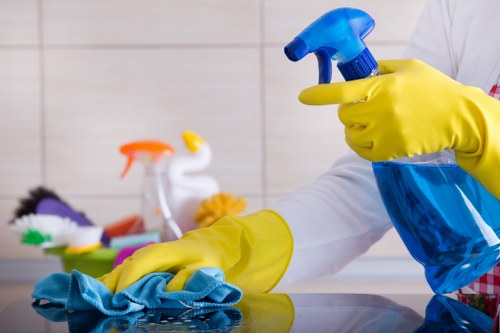
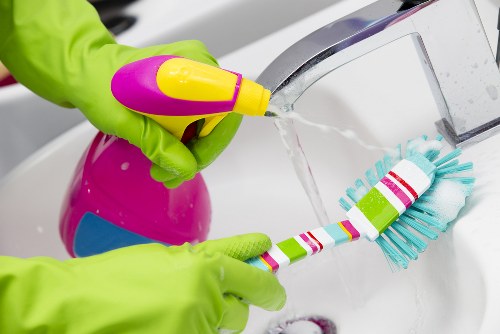
Only approved cleaning solutions should be used and they must be handled in accordance with supplier guidance and internal procedures. Operatives must store chemicals securely, use PPE such as gloves and eye protection, and dilute products as instructed. Emphasis is placed on avoiding the mixing of chemicals and on using ventilation where required. Disposal of waste water and residues must be carried out in an environmentally responsible way consistent with local waste arrangements.Equipment safety is critical: all machines and electrical tools must be maintained to a documented schedule, with pre-use checks recorded. Lead cables, hoses and plugs should be inspected daily and any defects reported. Staff must receive training on machine operation, emergency shut down and safe transportation of equipment. The policy requires that portable appliance testing and servicing are conducted at appropriate intervals.
Manual handling and ergonomics are managed by reducing the need for lifting where possible, using trolleys and mechanical aids, and by training staff in correct lifting techniques. Rotating tasks helps to prevent repetitive strain injuries. Operatives should plan lifts, clear walkways and ensure that loads are within their capability. The organisation promotes good posture and encourages staff to report discomfort early so adjustments can be made.
Working environments and public protection: Before starting work, operatives must cordon off the work area to prevent slips and trips, using warning signs and barriers. Walkways should be kept clear and drying times managed to minimise inconvenience. Where work involves stairs or corridors, additional staff may be required to escort members of the public and secure the area. Staff must be polite but firm in protecting the safety of residents, clients and passersby.
Emergency procedures cover first aid, fire response and accidental chemical spills. All operatives must know the location of first aid kits and fire exits on sites where they work. Incidents must be recorded and investigated promptly to prevent recurrence. The policy requires routine drills and refresher briefings so that emergency actions become familiar and automatic.
 Training, competency and supervision: Staff competence is verified through on-the-job assessment, documented training records and periodic performance checks. Supervisors conduct site observations and provide feedback. New techniques, equipment or products are introduced only after appropriate training. The organisation encourages professional development for carpet care technicians and values a culture where crew members look out for each other.
Inspections, audits and monitoring ensure that the policy is implemented effectively. Managers will conduct spot checks, review incident reports and update procedures as needed. The policy sets measurable objectives for incident reduction and service safety standards, and progress is reviewed at regular management meetings.
 Conclusion and continual improvement: This health and safety policy for professional carpet cleaning services in London is designed to protect people and property while maintaining high standards of workmanship. It requires participation from every team member and a commitment to safe, efficient cleaning operations. By following these provisions—risk assessment, training, safe use of chemicals, equipment maintenance and clear emergency procedures—carpet cleaning businesses and operatives can deliver reliable services with minimized risk to staff and clients.